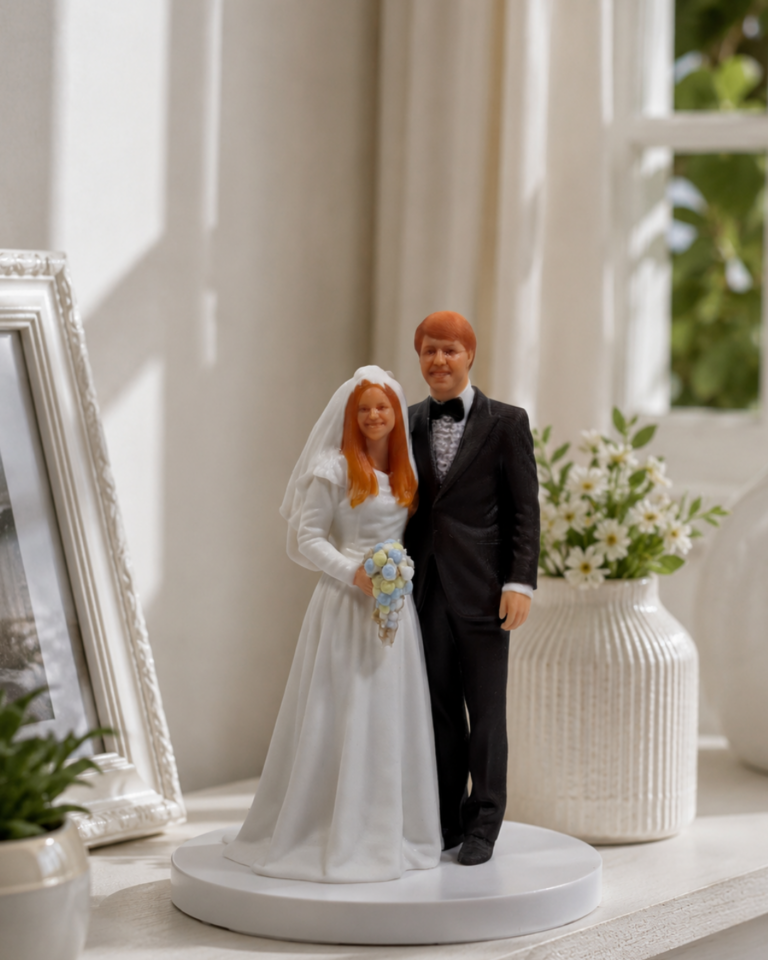
Have you ever kept something that made no sense to anyone else?
Maybe it was an old photograph tucked inside a book you haven’t opened in years. A birthday card written in a familiar handwriting. A dried flower from a wedding bouquet. A ticket stub from a concert that marked the beginning of an important chapter in your life. To another person, these objects might seem ordinary, even disposable. To you, they hold entire stories.
That’s the quiet power of a keepsake.
In a world overflowing with digital photos and endless storage, the things we choose to preserve physically often reveal what matters most. They become reminders of people we love, milestones we’ve celebrated, and moments that shaped who we are. Their worth doesn’t lie in the materials they’re made from or the space they occupy on a shelf.
What gives them meaning is the story they continue to carry.
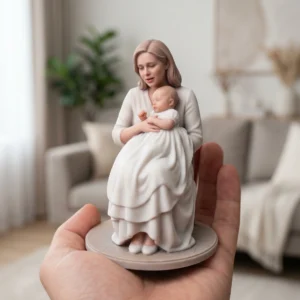
Among the many ways people preserve memories today, the keepsake figurine has emerged as a deeply personal option. More than a decorative object, it transforms memory into presence. It captures identity in a form that can be displayed, revisited, and eventually passed down through time.
But what exactly is considered a keepsake, and why are keepsake figurines becoming gifts people treasure long after the occasion has passed?
A keepsake is any object preserved because of the emotional significance attached to it. Unlike everyday possessions, keepsakes are not valued for practical use. Their importance comes from the memories, relationships, and stories they carry.
A grandmother’s handwritten recipe card. A wedding invitation tucked safely inside a drawer. A child’s first pair of shoes. A necklace passed down through generations. These objects become keepsakes not because they are rare or expensive, but because they help us remember.
The interesting thing about keepsakes is that their meaning isn’t always visible to outsiders. Two people can look at the same object and see entirely different things. One person sees an old piece of paper. The other remembers laughter around the dinner table, Sunday afternoons in the kitchen, and the person who carefully wrote each ingredient in the margins.
The value exists within the story.
Researchers have long explored the relationship between possessions and identity. Consumer behavior scholar Russell Belk introduced the concept of the “extended self,” suggesting that the objects people cherish often become part of how they define themselves and their life experiences. In many ways, keepsakes help individuals maintain continuity between who they were, who they are, and the people who helped shape them.
In other words, certain possessions stop being things we own.
They become part of who we are.
Modern technology has made it easier than ever to capture our lives. Most people carry thousands of photographs inside their phones. Birthdays, anniversaries, graduations, vacations, and seemingly ordinary moments are documented with a single tap.
Yet many of those memories remain hidden inside digital folders, revisited only when someone intentionally searches for them.
The challenge isn’t that we lack memories.
The challenge is that we have too many without clear emotional anchors.
A framed photograph catches your attention while walking through your home. A watch inherited from your father reminds you of the person who once wore it every day. A meaningful object sitting on a shelf quietly invites reflection without demanding effort.
Physical objects occupy space in our environments and, in doing so, occupy space in our emotional lives.
This distinction matters because memory isn’t simply about storage. It’s about accessibility. It’s about allowing important people and moments to remain visible within everyday routines.
The Alzheimer’s Association notes that familiar photographs, music, and meaningful objects can help stimulate older memories and strengthen emotional connection. Even in clinical settings, tangible reminders have been shown to provide comfort and continuity because they connect people to experiences that shaped their identities.
Perhaps this explains why people continue seeking meaningful ways to preserve what matters most.
They don’t simply want to save moments.
They want to stay connected to them.
At first glance, a keepsake figurine may seem like just another personalized gift. In reality, its emotional purpose runs much deeper.
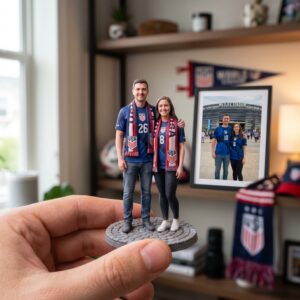
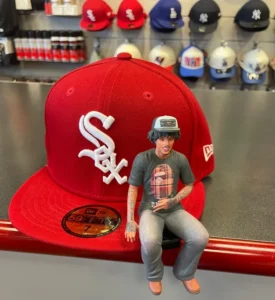
Most personalized products add a name, date, or message to an existing object. A keepsake figurine does something fundamentally different. It attempts to preserve individual identity. It isn’t just customized. It’s recognizable.
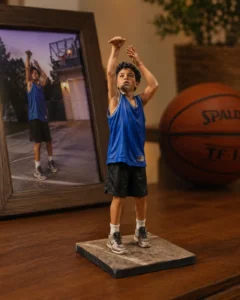
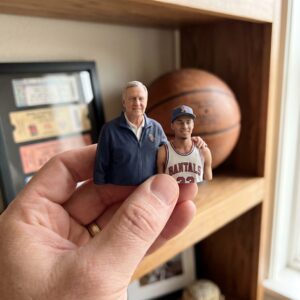
The familiar smile, the clothing someone always wore, the posture family members instantly recognize, and the tiny details that make someone unmistakably themselves become part of the finished piece. Those details matter because they bridge the gap between representation and recognition. They transform a figurine from something decorative into something deeply personal.
This distinction is what separates a keepsake figurine from novelty merchandise. The goal isn’t simply to create an object that marks an occasion. The goal is to preserve presence in a form people can revisit and connect with over time. When someone picks it up years later and immediately says, “That looks exactly like them,” the figurine has fulfilled its purpose.
Most personalized gifts celebrate an event. A keepsake figurine celebrates the people within that event. It acknowledges that memories are rarely built around centerpieces, venues, or dates alone. They’re built around familiar faces, shared experiences, and the individuals who gave those moments meaning in the first place.
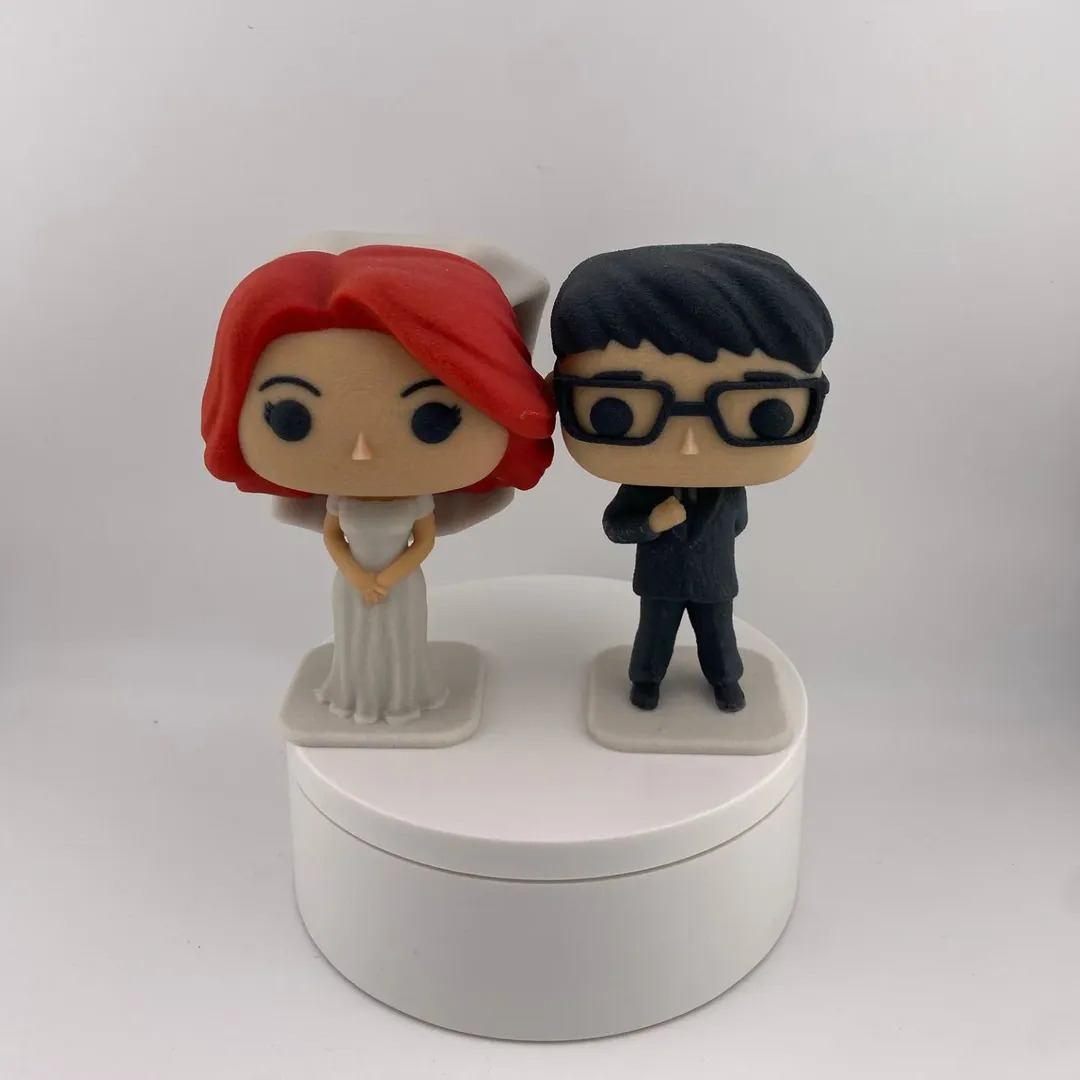
People preserve memories in different ways, and each keepsake serves a slightly different emotional function. Understanding those differences helps explain why certain objects resonate more deeply than others.
| Memory Object | Primary Purpose | Emotional Focus |
|---|---|---|
| Souvenir | Remembering a place | Experience |
| Heirloom | Preserving family continuity | Legacy |
| Photo Album | Documenting events | Reflection |
| Memorial Jewelry | Symbolic remembrance | Grief and connection |
| Keepsake Figurine | Preserving identity | Recognition and presence |
A souvenir reminds you where you went. An heirloom reminds you where you came from. A photo album captures what happened. A keepsake figurine attempts something different. It preserves who made those moments meaningful.
That difference may seem subtle at first.
Emotionally, it’s profound.
People rarely say they miss a destination. People rarely miss the destination as much as those they shared it with. The wedding venue fades, but the look exchanged across the aisle often remains. Childhood isn’t remembered through toys alone, but through the people who made home feel like home.
Recognition changes everything.
Gift giving has always been about more than exchange.
At its best, it’s an act of observation.
It says, “I know you. I know what matters to you. I chose this with your story in mind.”
The problem is that many gifts eventually lose their emotional relevance. Flowers fade. Gift cards get spent. Gadgets become outdated. Even expensive purchases can fade into the background of everyday life.
The gifts people remember most are often the ones that made them feel understood.
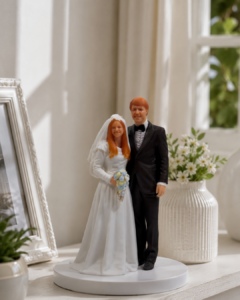
An anniversary keepsake celebrates the people behind the milestone rather than the date itself. For new parents, it preserves a fleeting season before childhood changes again. Retirement gifts often honor decades of relationships, routines, and accomplishments that shaped someone’s identity.
The best gifts don’t simply celebrate occasions.
They celebrate people.
And perhaps that’s why meaningful keepsakes continue to resonate. They acknowledge that what people truly fear losing isn’t the event.
It’s the feeling attached to it.
The growing popularity of ideas like the 5 gift rule reflects a shift in how people think about giving. More people are choosing thoughtfulness over excess, asking whether a gift will still matter long after the occasion has passed. Will it tell a story years from now, remind someone of the people they love, and become part of the memories they carry forward?
Perhaps that’s why symbolic keepsakes continue to resonate. Collections like the Willow Tree Keepsake Figurine have remained popular because they give form to emotions that are often difficult to express – comfort, remembrance, friendship, hope, and love. People don’t always remember the most expensive gifts they received. They remember the ones that made them feel understood.
At the heart of every meaningful keepsake is the same desire: to preserve what truly matters. Sometimes a symbol is enough. Other times, people long for something more personal – not simply a figurine representing motherhood, but one that reflects their mother, with the familiar smile, posture, and details that made her unmistakably herself.
A keepsake figurine speaks to that desire. It moves beyond novelty and momentary excitement to preserve recognition. It acknowledges that while occasions pass, the people who shape those occasions deserve to remain visible within the stories we continue to tell.
Because the gifts that stay with us are rarely the ones that impressed us for a day.
They’re the ones that reminded us who mattered all along.
Loss changes the meaning of ordinary objects.
A sweater left hanging in a closet suddenly feels irreplaceable. A voicemail becomes impossible to delete. A handwritten note gains a significance no one could have predicted while it was being written.
People searching for a keepsake gift for loss or bereavement are rarely looking for something extravagant. Most aren’t even searching for closure. What they’re searching for is continuity. They want reassurance that relationships don’t disappear simply because circumstances change.
This is why memorial keepsakes continue to resonate across cultures and generations. They acknowledge that grief isn’t about forgetting. It’s about learning how to carry love differently. For some families, figurine urns for keepsake purposes provide comfort by creating a tangible space for remembrance. Others choose framed photographs, memorial jewelry, or handwritten letters preserved in shadow boxes. Increasingly, some seek a custom tribute gift for lost loved one that reflects not just a life lived, but the personality that made that life meaningful.
The goal isn’t to recreate the past. The goal is to preserve connection.
To say, quietly and without explanation:
“You mattered. You still do.”
Perhaps that’s why people continue searching for meaningful keepsakes long after the occasion itself has passed. Whether they’re celebrating a marriage, honoring a parent, remembering someone they’ve lost, or preserving a season of life they know they can’t revisit, the desire is often the same. They aren’t simply looking for an object to own. They’re searching for a way to keep certain people visible within the stories they continue to tell.
And when preserving identity becomes more important than simply preserving an event, recognition begins to matter.
By now, one truth becomes difficult to ignore.
Keepsakes have never really been about objects.
They’ve always been about people.
At The3DMe, that understanding sits at the center of everything we create. People don’t come to us because they simply want a figurine. They come because they want to preserve someone’s presence in a way that feels recognizable and deeply personal.
A couple celebrating fifty years of marriage. Parents wanting to remember childhood before it changes again. Adult children honoring the people who shaped their lives. Friends searching for a gift that genuinely reflects the person receiving it.
The process begins with photographs, not scans, studio sessions, or measurements.
Just real moments that already exist.
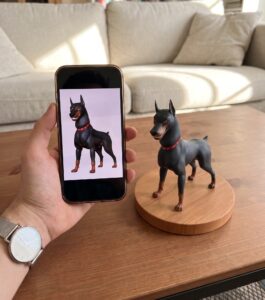
From those photographs, artists carefully recreate individual likenesses through digital sculpting. This distinction matters because the process isn’t automated. It relies on human interpretation and artistic judgment to capture the details that photographs alone cannot fully communicate.
The customer remains involved throughout the journey.
We don’t simply make it and ship it.
Families review the work, provide feedback, and approve the design before production moves forward because memory is personal. No one understands the importance of a familiar expression or favorite outfit better than the people who loved that person.
Using full-color resin production designed to preserve detail, color accuracy, and realism, the goal isn’t to create merchandise.
It’s to create recognition.
A photograph captures a moment exactly as it happened.
A keepsake figurine gives that memory a physical presence that can exist beyond screens and storage folders.
In many ways, that’s what keepsakes have always done.
They allow love, identity, and memory to occupy space in everyday life.
Most important moments don’t announce themselves while they’re happening. A familiar laugh, a shared meal, the expressions and routines we assume we’ll remember forever often become the details we miss the most.
Perhaps that’s why keepsakes continue to endure. Whether it’s a photograph tucked inside an old book, a treasured letter hidden in a drawer, or a keepsake figurine displayed where loved ones can see it every day, they remind us that some people deserve more than being lost in thousands of digital files.
If preserving the people who shaped your story matters to you, explore what’s possible at The3DMe. Browse our custom keepsake creations to see how ordinary photographs become recognizable miniature representations, or follow us on Instagram for inspiration, behind-the-scenes moments, and the stories that remind us why keepsakes matter in the first place.
Because in the end, keepsakes aren’t about holding on to the past.
They’re about remembering what deserves a place in the future.