A generation ago, people mostly bought objects for function.
Today, people buy objects to feel emotionally represented.
That shift quietly changed everything – from fashion and room aesthetics to collectibles, creator culture, identity-driven communities, and the rise of personalized memory keepsakes. Modern consumers increasingly surround themselves with objects that reflect who they are, what they value, who they miss, and where they emotionally belong.
The internet accelerated this transformation. Social media made identity more visible, but it also made emotional connection more fragile. People are now constantly exposed to curated lives, online communities, algorithmic influence, and digital self-presentation. In response, many started searching for something more emotionally grounding: objects that feel personal, emotionally symbolic, and physically real.
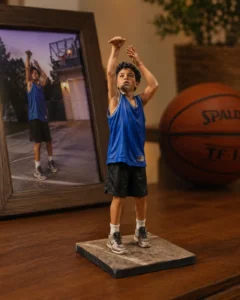
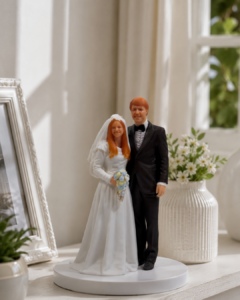
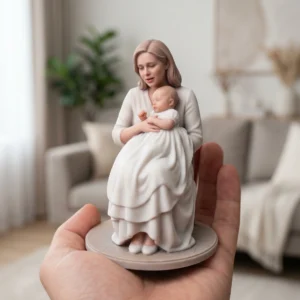
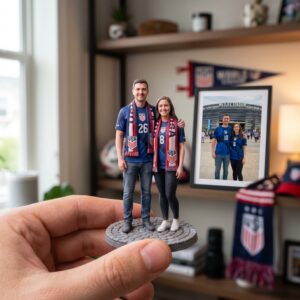
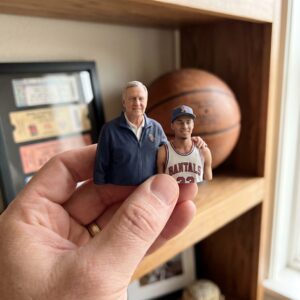
That emotional shift explains why the modern 3D Printed Figurine has become far more than a novelty item.
It has become a memory object.
One of the strongest insights from modern consumer psychology is that people no longer want to passively consume products. They want products that emotionally reflect their identity, experiences, relationships, and personal world.
This is the same broader behavioral shift explored in the Vogue Business analysis around fandom culture and emotional participation. The article explained how people increasingly seek:
Consumers are no longer just purchasing products.
They are purchasing emotional alignment.
That psychology reshaped entire industries.
Fashion became more identity-driven. People began dressing less for universal trends and more for emotional self-expression. Rooms evolved into curated lifestyle environments. Display objects became reflections of personality rather than decoration alone.
Even shelves began functioning differently.
A shelf today often acts like a visual autobiography.
The objects people choose to display communicate:
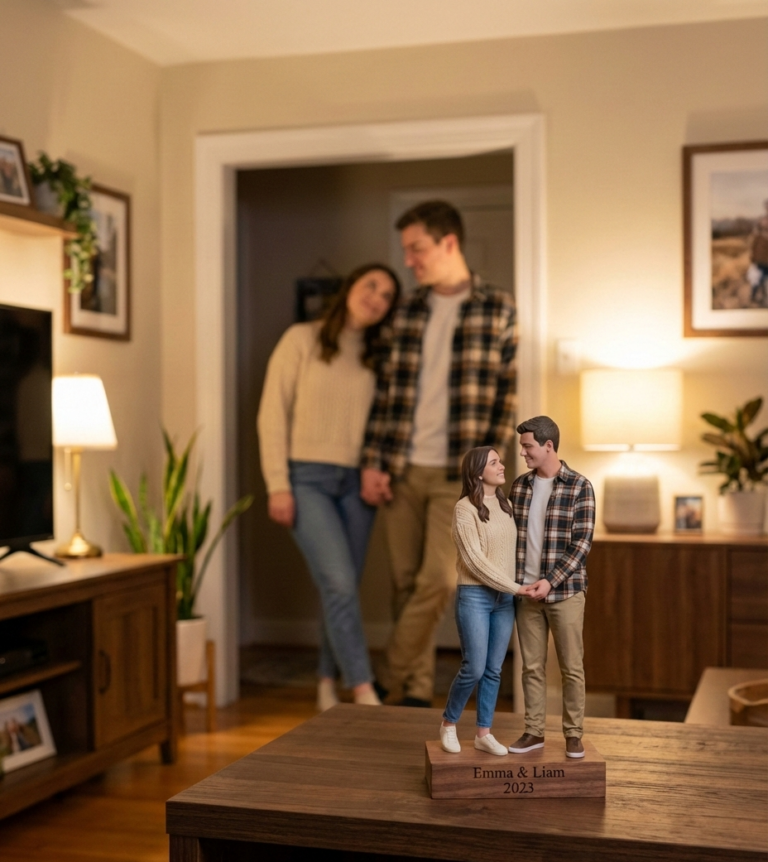
This cultural behavior is one reason custom miniatures from photos feel emotionally powerful in modern life. They transform emotionally important people and moments into physical presence.
Not just imagery.
Presence.
Modern culture created a strange contradiction.
People are more digitally connected than ever, yet many increasingly experience emotional distance, loneliness, fragmented identity, and a lack of deeper belonging. Online communities provide visibility and participation, but they can also intensify feelings of comparison, emotional fatigue, and temporary connection.
This is why emotionally symbolic objects have become more important.
Memory objects create stability.
A figurine from photo can preserve emotional closeness in ways digital images often cannot because physical objects occupy real space inside everyday life. They remain visible during routines, conversations, workdays, celebrations, and quiet moments.
That repeated presence matters psychologically.
People emotionally bond with objects that reinforce continuity, familiarity, and attachment over time.
A figurine beside a desk is not experienced the same way as a forgotten phone gallery.
The strongest personalized products are emotionally specific.
Generic gifts may feel pleasant temporarily, but emotionally meaningful keepsakes tend to remain valuable because they represent identity and emotional history rather than utility.
This is why many people emotionally attach themselves to:
The emotional value comes from symbolic meaning.
A custom figurine that feels personal works similarly, but with stronger visual presence. It transforms memory into something dimensional and display-worthy rather than something hidden inside storage.
That emotional visibility changes the relationship people have with the object.
A personalized figurine can quietly remind someone:
This is why memory objects often survive emotionally longer than expensive technology or trend-based products.
Modern consumers increasingly build emotional environments around themselves.
This behavior appears across:
The deeper psychology behind this trend is emotional worldbuilding.
People are no longer decorating spaces randomly. They curate environments that emotionally reflect who they are and how they want to feel inside their own lives.
That is why display-worthy personalized objects continue growing in popularity.
A personalized figurine designed to last becomes part of someone’s emotional environment instead of remaining a temporary gift.
It quietly participates in daily life.
The3DMe was built around the understanding that memories deserve more than digital storage.
The brand’s vision centers on transforming emotionally meaningful moments into lifelike physical keepsakes people can actually live beside every day. Instead of treating customization as novelty, The3DMe approaches each figurine as emotionally significant craftsmanship designed to preserve identity, relationships, and memory through realistic artistic detail.
The process reflects that philosophy:
Photos → Digital Sculpting → Customer’s approval → Full-Color Resin 3D Printing → Delivery
That process matters because realism directly affects emotional recognition.
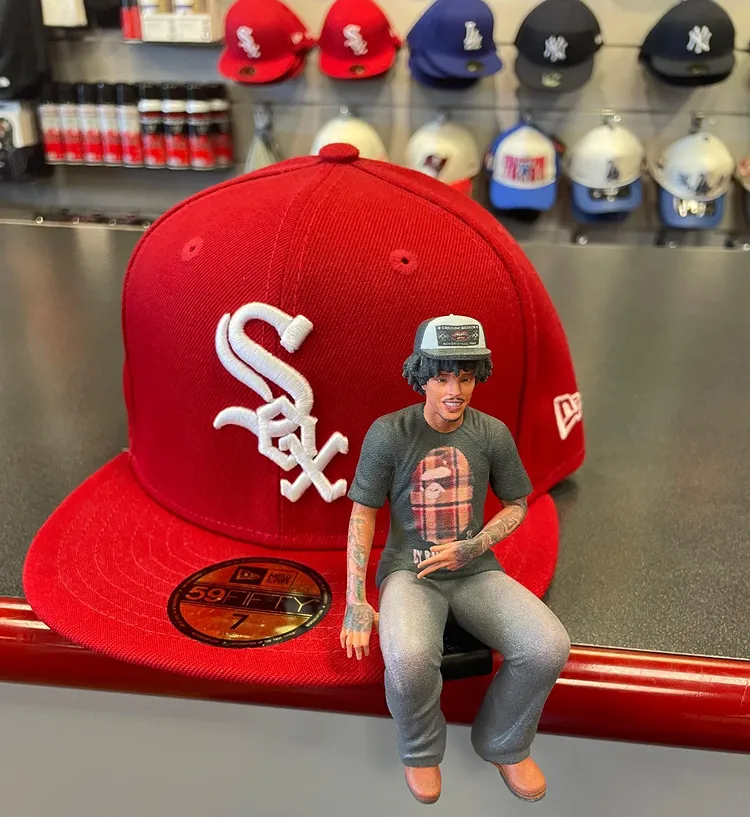
The “full-color resin truth” is important here. Many consumers still imagine 3D printing as rough plastic prototypes or simplified figurines. In reality, high-detail full-color resin technology allows realistic facial tones, clothing details, posture accuracy, and expressive depth that make the figurine feel emotionally recognizable rather than artificially generic.
The goal is not simply customization.
It is emotional resemblance.
A meaningful keepsake from family photos should feel connected to real life, real personality, and real emotional memory.
In previous generations, emotional memory lived inside homes naturally.
People gathered around physical photo albums, handwritten notes, framed memories, family artifacts, and inherited objects. Today, emotional memory increasingly lives inside devices, cloud storage, and disappearing social feeds.
The emotional consequence is subtle but important.
Memories became less physically present.
That absence is one reason personalized memory objects now feel culturally significant. A physical figurine restores emotional visibility to moments that would otherwise remain trapped digitally.
This is especially meaningful during:
A figurine does not replace presence.
But it can preserve emotional closeness.
One of the deepest human desires is to feel seen and remembered.
This is partly why identity-driven products became so emotionally valuable across modern culture. People increasingly seek objects that affirm their personality, relationships, experiences, and emotional significance.
A custom figurine gift can fulfill that emotional need in surprisingly intimate ways.
For example:
These are not just purchases.
They are emotional preservation rituals.
Many modern products lose emotional relevance quickly because they are designed for consumption rather than attachment.
Memory objects behave differently.
Their value compounds emotionally over time because they remain connected to human experience rather than utility alone.
That is why personalized figurines increasingly resemble modern heirlooms rather than trend products.
They preserve:
Years later, a figurine can become a visual reminder of an entire life chapter.
That permanence matters emotionally.
The rise of memory objects reveals something deeper about modern life.
People are searching for emotional permanence in a culture built around speed, visibility, and constant digital movement. They want objects that help them feel connected — not only to other people, but also to their own identity, memories, and emotional history.
That is why personalized keepsakes are becoming more culturally meaningful.
A figurine from photo is not simply decoration or customization.
It is emotional presence made visible.
The3DMe was created around that belief: transforming real photographs into premium lifelike figurines that preserve memory, identity, relationships, and emotional closeness through full-color resin craftsmanship designed to last.
Explore the The3DMe Homepage, browse the Custom Figurine Collection, or read more emotional storytelling articles on the The3DMe Blog.
You can also view real customer creations and behind-the-scenes artistry on The3DMe Instagram.