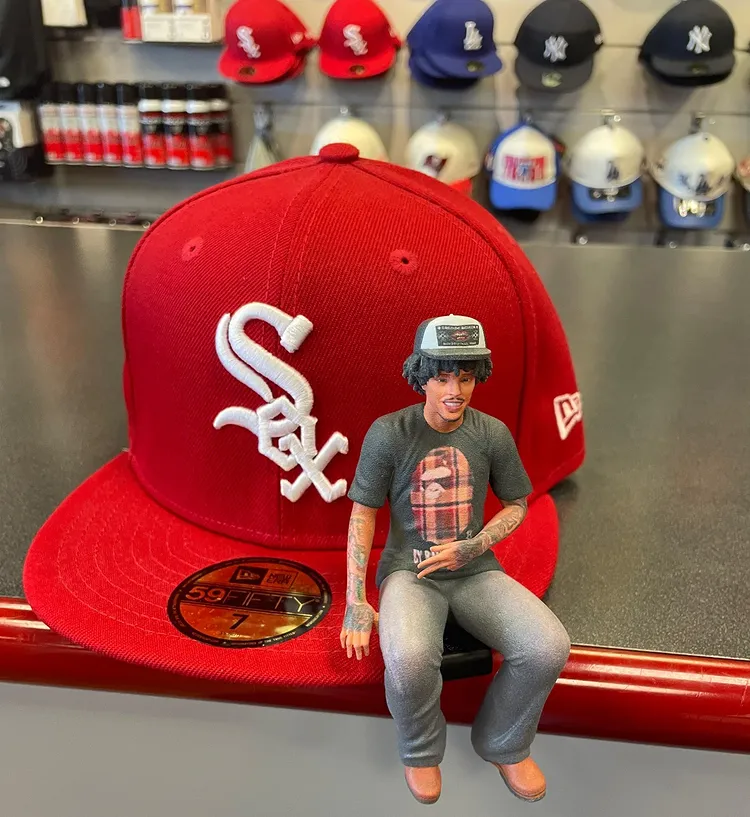
Fashion used to revolve around silhouettes, fabrics, and logos. Now, identity is expressed through something much smaller – miniature objects attached to bags, hanging from jackets, clipped onto sneakers, or displayed beside everyday essentials.
The rise of Wearable Collectibles reveals something deeper than trend cycles. People no longer want accessories that only look expensive. They want objects that feel personal, emotionally recognizable, and culturally connected.
A tiny figurine hanging from a luxury tote says more than branding ever could.
In Tokyo, Seoul, London, and New York, collectible culture has quietly merged with street style. Designer toy collaborations sell out within minutes. Blind-box charms become status symbols overnight. Fashion houses once associated with minimal elegance now release playful mascots, plush add-ons, and collectible bag charms that blur the line between art piece and accessory.
And now, the next evolution is arriving through personalization.
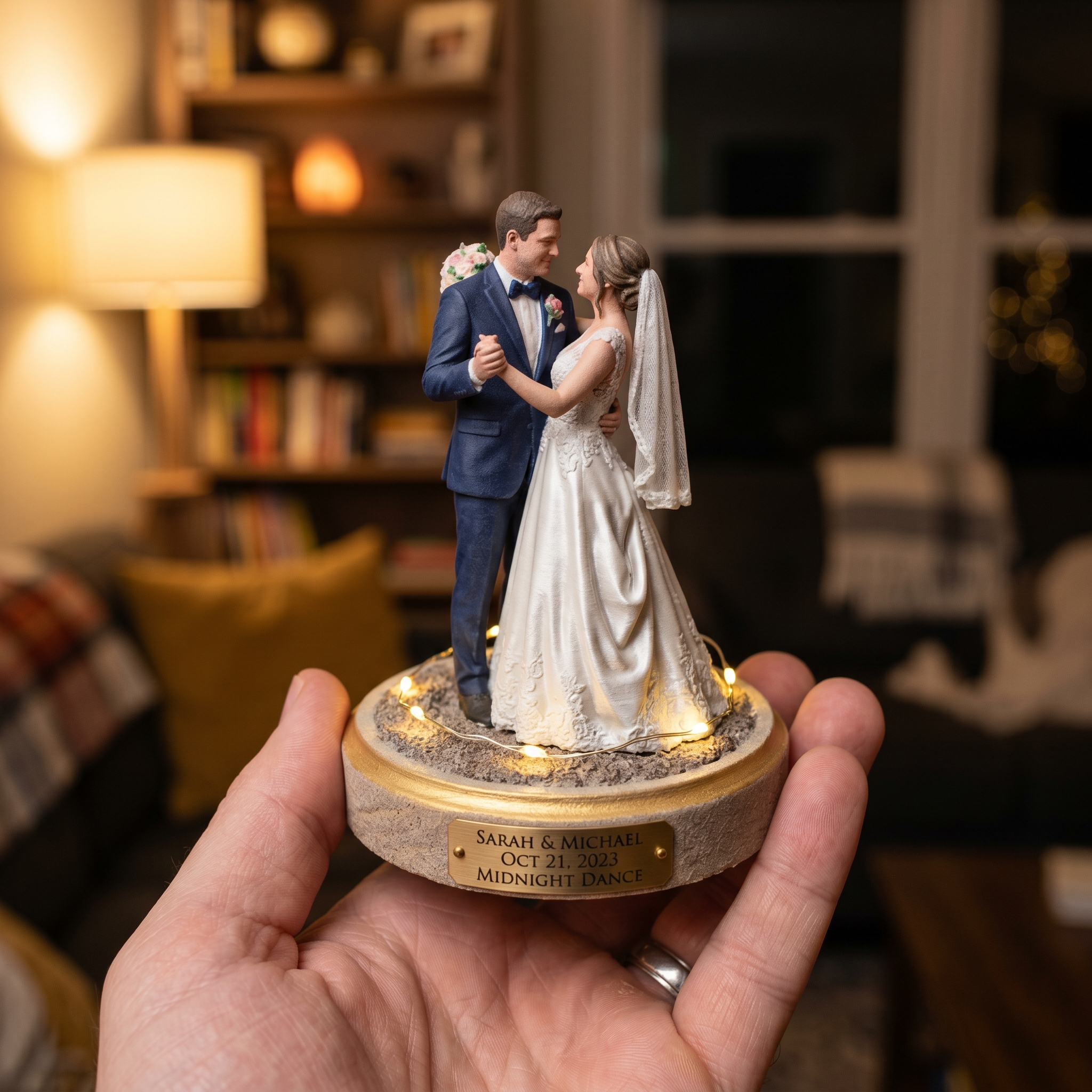
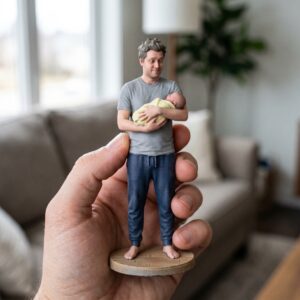
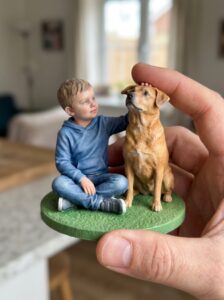
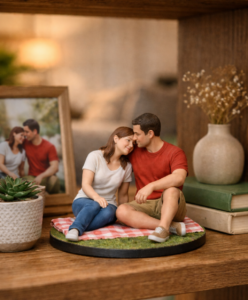
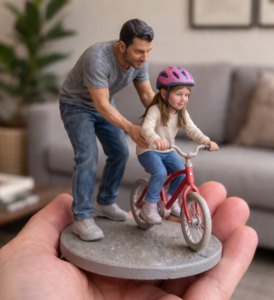
The modern 3D printed figurine is no longer just a novelty sitting on a shelf. It is becoming part of how people display identity, memory, fandom, and personal style in physical form.
For years, luxury leaned heavily into exclusivity. Then social media changed the psychology of style.
People stopped dressing only for events. They started dressing for visibility, storytelling, and self-expression across digital spaces. Accessories became conversational symbols rather than simple fashion additions.
That shift explains why personalized fashion is outperforming many traditional accessory categories today.
A monogram once felt personal enough. Now consumers want deeper customization:
The object itself matters less than what it represents.
A collectible attached to a handbag can reference childhood nostalgia, anime culture, gaming identity, streetwear communities, music fandom, or personal milestones – all at once.
Fashion is becoming emotionally coded.
The modern collectible-fashion crossover did not happen overnight.
One of the earliest cultural turning points came in 2003 when Takashi Murakami collaborated with Louis Vuitton to reinvent the iconic monogram bag with playful multicolor artwork. Those bags quickly transformed into what many collectors still consider timeless collectibles decades later.
Soon after, collectible culture accelerated through streetwear.
KAWS blurred the boundaries between fine art, toys, sneakers, and luxury collaborations. In 1999, Brian Donnelly released his first Companion figurine in a limited run of just 500 pieces – it sold out almost immediately. Medicom’s Bearbrick evolved from a niche vinyl toy launched on May 27, 2001, into a globally recognized design object embraced by brands like Nike, Chanel, BAPE, and Supreme.
What once belonged inside collectors’ display cabinets entered mainstream fashion culture.
Then social media amplified everything.
Today, Pop Mart’s Labubu charms appear clipped onto luxury bags carried by celebrities and influencers worldwide. BLACKPINK’s Lisa first sparked the craze in April 2024, pairing a Labubu with a Khaite bag – and the trend has only accelerated since, with Rihanna, Dua Lipa, and Kim Kardashian all following suit. TikTok unboxing videos generate billions of views because collectibles now function as social identity markers rather than simple products.
The emotional logic is simple: people want visible objects that make them feel seen.
The most influential streetwear brands understand something traditional luxury often overlooked – playfulness creates emotional attachment.
That is why fashion increasingly embraces:
These objects inject individuality into otherwise mass-produced luxury products.
A designer bag may cost thousands, but the tiny collectible hanging from it often becomes the actual conversation starter.
Even heritage brands now lean into this behavior. Coach expanded its personalization strategy through charm bars and customizable accessories targeted toward Gen Z shoppers – in 2023, those initiatives helped the brand increase sales by a significant margin. In its 2017 collaboration with Selena Gomez, leather heart and star-shaped charms were sold alongside bags and wallets, and today Coach sells charms ranging from $20 to $195. Miu Miu’s playful frog charms became viral fashion pieces despite their intentionally kitschy aesthetic. Balenciaga launched an in-store Charms Bar experience that encouraged consumers to build emotional relationships with accessories.
Fashion no longer fears emotional attachment.
It depends on it.
There’s a reason this works, and it goes deeper than aesthetics.
Consumer psychology research frames personal objects as external representations of identity – physical extensions of the self that help regulate emotion, communicate group membership, and anchor a sense of who we are. Research into transitional object attachment has found that physically interacting with a personally meaningful object produces measurable physiological benefits, including improved stress recovery.
Sneakerhead research out of NC State University found that sneakers serve as social signals – fans use them to communicate identity, community membership, and cultural fluency. The study, titled “I wear, therefore I am,” found that sneakers are an important facet of social identity, particularly in forming and sustaining subculture bonds. The same mechanism applies to wearable collectibles. A rare Bearbrick isn’t just decorative. It communicates fluency in a cultural language.
This is the endowment effect in practice: an object that feels chosen – better still, one that feels made for you – carries outsized personal value compared to its market price.
A self-portrait figurine, by that logic, is the most powerful version of this dynamic.
The cultural groundwork was already laid. What TikTok and Instagram did was pour accelerant on it.
That’s not a coincidence. That’s the creator economy functioning exactly as designed.
TikTok’s blind-box unboxing videos accumulated over 28 billion views by 2025. The ritual of the unboxing – the randomness, the reveal, the reaction – is inherently social content. It turns a purchase into a performance, and a figurine into a shared cultural moment.
The global blind box market reached approximately $16.8 billion in 2025. That number reflects something real: people aren’t just buying objects. They’re buying stories, affiliations, and the feeling of being part of something.
VTubers, streamers, and digital creators have built entire merchandise ecosystems around chibi figures and custom keychains – wearable figurines that translate a digital persona into something physical you can carry. The logic mirrors luxury brand collaboration, just at a different price point and velocity.
This is where technology enters the story.
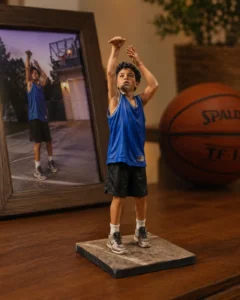
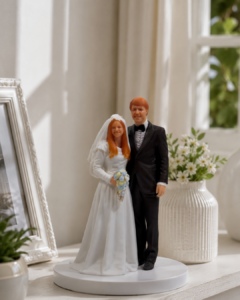
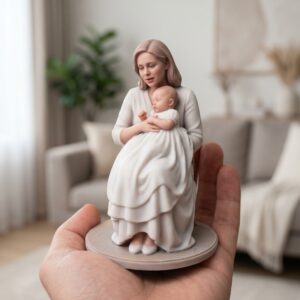
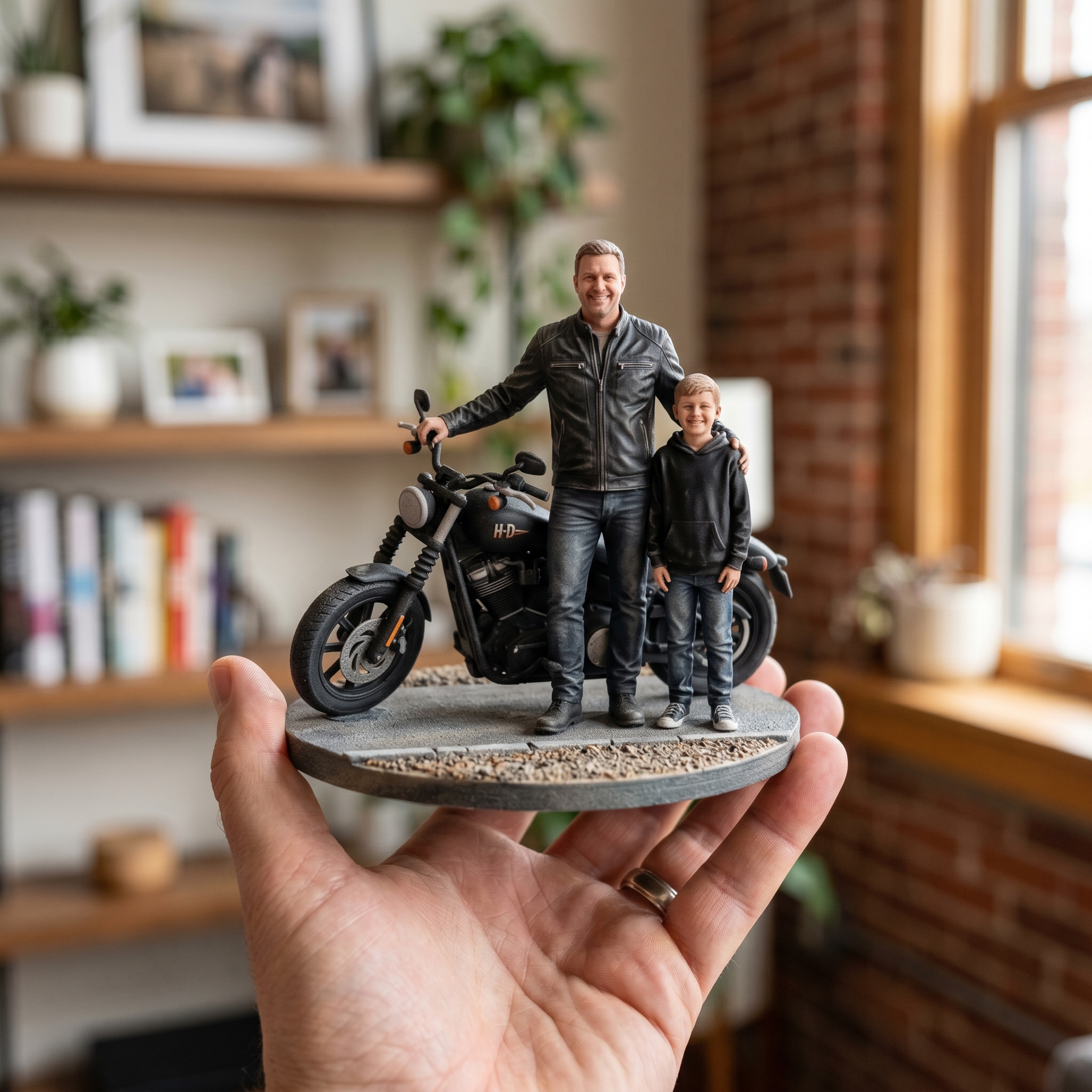
Modern 3D printing has evolved far beyond rough plastic prototypes. Today’s premium services create highly detailed, Full-color resin mini-figurines capable of capturing facial expressions, clothing textures, poses, and personality with remarkable realism.
The process itself feels closer to digital sculpture than manufacturing.
At The3DMe, customer photographs are transformed through:
The result is not a generic novelty object.
It becomes a display-worthy personalized collectible designed to preserve memory and identity in physical form.
That distinction matters because modern consumers increasingly seek objects with emotional durability rather than disposable trend value.
A personalized miniature can represent:
In many ways, the custom figurine becomes the physical version of a digital identity.
What separates The3DMe from ordinary custom gifting platforms is not just the figurine itself – it is the experience surrounding it.
Every 3D Printed Personal Figurine begins with real customer photographs, but the journey does not feel automated or transactional. From the moment an order is placed, customers receive consistent communication and progress updates directly from the team, creating a far more personal and transparent experience than typical mass-production services.
Through dedicated support from olivia@the3dme.com, customers stay connected throughout the creative process – from photo review and digital sculpting updates to production timelines and final delivery coordination.
That level of communication matters because these are not impulse purchases.
They often represent weddings, milestones, memorials, achievements, relationships, and deeply personal memories. The experience needs to feel careful, collaborative, and emotionally aware from beginning to end.
Combined with highly detailed Full-color resin mini-figurines, realistic sculpting, and display-worthy finishing, The3DMe positions personalized collectibles not as novelty products, but as meaningful modern keepsakes designed to last beyond trends.
How Wearable Figurines Could Shape Future Street Style
Streetwear has always evolved through cultural symbolism.
Now miniature accessories are entering the same territory.
The next phase of fashion personalization may include:
The idea sounds futuristic until you realize it is already happening.
Consumers are actively building emotional ecosystems around what they wear.
And smaller objects often carry the strongest emotional meaning.
Today’s collectible fashion culture is no longer limited to luxury charms or designer mascots. Personalized mini-figurines are slowly entering real street-style expression in ways that feel playful, nostalgic, and deeply individual.
Fashion is moving toward emotional styling – where accessories tell personal stories instead of simply displaying logos.
And that is exactly why wearable figurines feel culturally relevant now.
Fashion has always reflected identity, but today it reflects memory too.
From Murakami’s iconic collaborations to TikTok-driven blind-box culture, collectible accessories have evolved from niche fandom objects into globally recognized style language. The rise of the 3D printed figurine simply extends that movement into something more personal, emotional, and lasting.
The future of wearable collectibles will not belong only to luxury houses or celebrity collaborations. It will belong to people searching for ways to physically express their stories, personalities, and milestones through objects that feel authentic.
That is where personalized figurines stand apart.
If you want to explore how modern Personalized Fashion is evolving through realistic collectible art, visit The3DMe Homepage, browse custom figurine options on the The3DMe Product Collection, or read more trend insights on the The3DMe Blog.
You can also explore real customer creations and collectible inspiration through The3DMe Instagram.
Some memories deserve more than a gallery folder.