If someone you love is living with dementia, you already know this is not a simple forgetting problem.
It is the kind of change that makes ordinary moments feel heavier. A repeated question. A missed name. A story told for the tenth time. A familiar face that still feels familiar, but less reachable than before.
If that is your life right now, this is for you.
When memory begins to change, families naturally start holding tighter to the moments that define a person’s life. The desire to preserve those memories isn’t an overreaction. It’s one of the most human responses to loss and uncertainty.
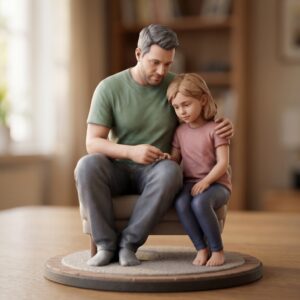
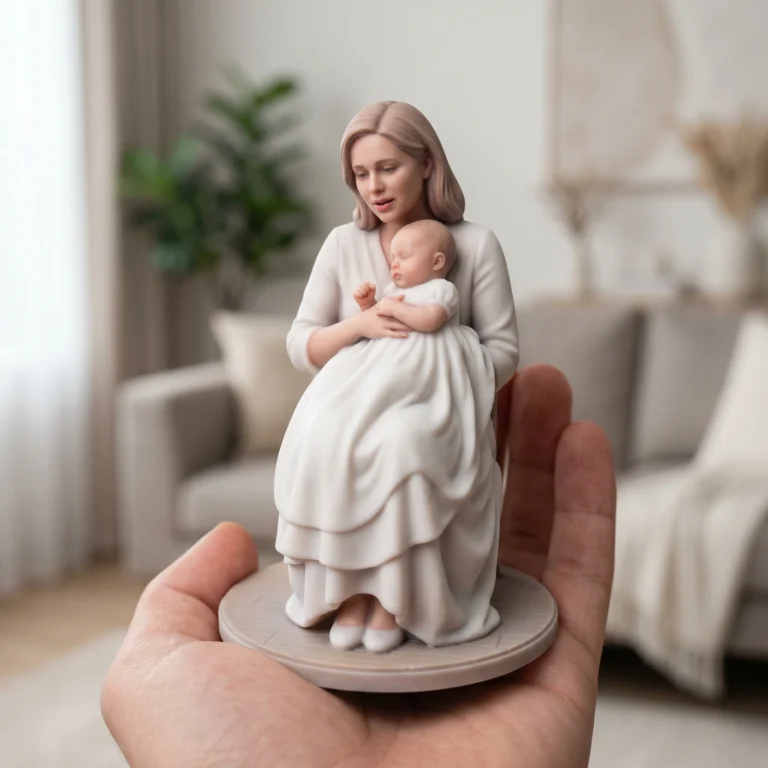
At The3DMe, we believe memory keepsakes for dementia families should do more than decorate a shelf. They should help preserve identity, dignity, and family connection. A personalized keepsake is meaningful when it helps a family hold on to the person, not just the picture.
That is the story this blog is here to tell.
In this guide, we’ll explore what dementia families go through, why preserving identity matters, what research tells us about familiar objects and memory, and how personalized keepsakes – including custom 3D figurines – are becoming part of the way families honor and hold on to the people they love.
Families do not usually begin with a product search.
They begin with a feeling. Something is changing. A parent repeats stories. A spouse forgets names. A familiar voice is still there, but the person seems farther away.
According to the Alzheimer’s Association, 6.9 million Americans age 65 and older are living with Alzheimer’s dementia, while millions of family members provide unpaid care and support.
That scale matters because it explains the search behavior. Families often move quickly from emotional shock into documentation – photos, voice notes, life story books, meaningful objects, and room personalization.
Researchers and caregivers often describe this response as an effort to preserve identity before more memories disappear.
This is also why memory keepsakes for dementia families are rarely about buying a “nice gift.” They are about preserving what still feels like the person.
A personalized keepsake has more power than a generic object because it carries a life, not a label.
When a diagnosis lands, families become archivists.
They begin gathering the pieces of a life story before more details fade.
Common actions include:
Families are often trying to preserve professional identity, family roles, achievements, and meaningful milestones.
That is where memory keepsakes for dementia families become part of a larger caregiving journey rather than a shopping category.
A personalized keepsake helps families preserve identity in a form that can live in the room, not just inside a phone, cloud folder, or photo album.
There is no serious evidence suggesting that a custom object can treat dementia.
There is, however, strong support for familiar objects, reminiscence activities, and person-centered care environments.
Organizations such as the Alzheimer’s Society explain that reminiscence activities often use photographs, music, and familiar objects to encourage conversation about the past and reinforce personal identity.
Research on reminiscence therapy also shows that tangible prompts can help support emotional connection, engagement, and wellbeing.
The evidence does not say: “A custom figurine cures dementia.”
It says something more useful.
Familiar objects can support connection, emotional recognition, comfort, and dignity.
That is exactly where a personalized keepsake belongs.
And it is one reason memory keepsakes for dementia families continue to grow in importance as families look for meaningful ways to preserve identity.
This is where the conversation becomes visually and emotionally distinct.
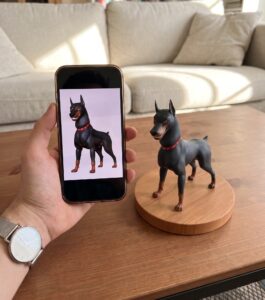
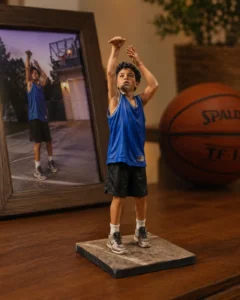
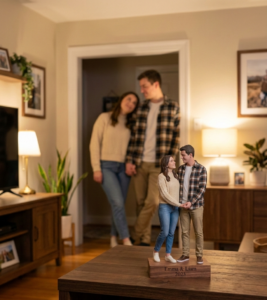
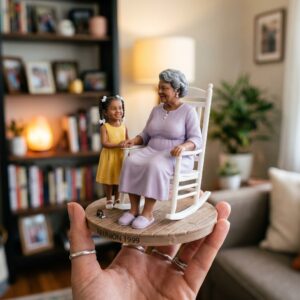
A 3D figurine for Alzheimer’s family is not meant to replace photographs, voice recordings, or life story books.
Instead, it sits beside them as another form of identity preservation.
A three-dimensional figurine is:
When families begin planning memory care environments, they are often trying to communicate who the person is beyond the disease.
A 3D figurine for Alzheimer’s family can help preserve:
Families often choose:
At first, a figurine may seem unusual.
But the purpose becomes clear when families ask themselves a simple question:
“How can I preserve who they are, not just what they looked like?”
A personalized keepsake can answer that emotionally.
A figurine simply gives that memory a physical form.
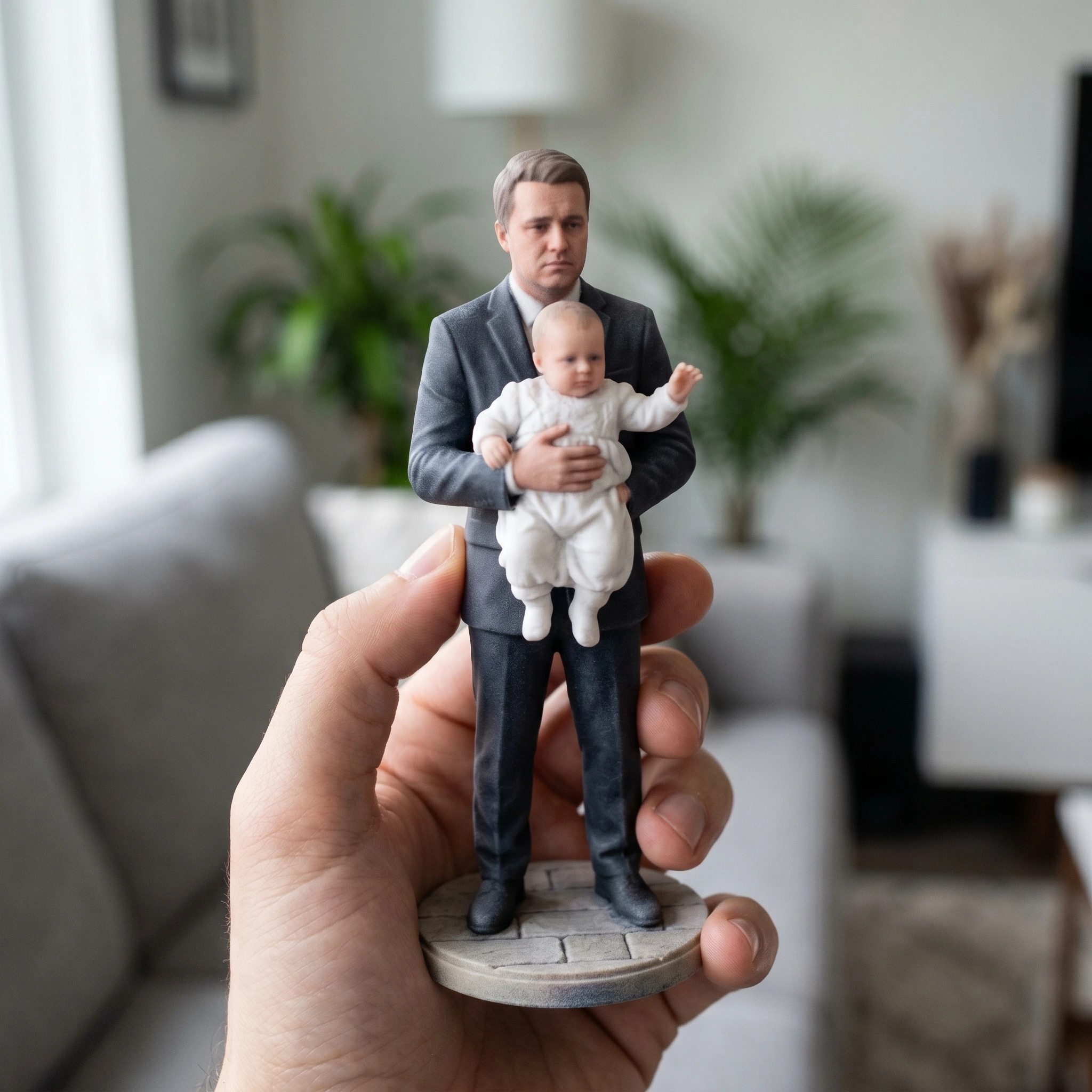
The3DMe should not present itself as a factory. It should present itself as a careful interpreter of family meaning.
The research brief is clear that the buyer is usually the caregiver, not the patient. Often it is an adult daughter, emotionally depleted, trying to do something genuinely meaningful while the window is still open. That is why tone matters. Families in this space respond to authenticity, not hype.
The process should begin with story, not production.
A family shares a photograph.
Then they explain why that image matters.
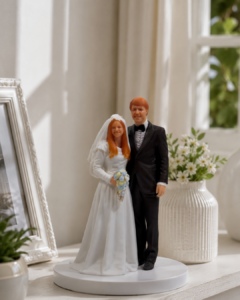
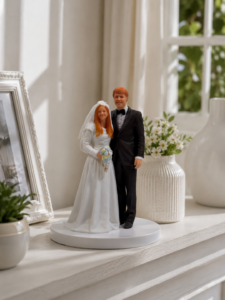
Was it a wedding day? A military service portrait? A teaching career? A favorite outfit? A moment that grandchildren should know?
Only then does the figurine begin to take shape.
That is what separates The3DMe from a generic seller of custom objects. The goal is not resemblance alone. The goal is emotional accuracy. That is the difference between a product and a personalized keepsake. It is also why memory keepsakes for dementia families can be meaningful when the process honors the person’s story, not just their face.
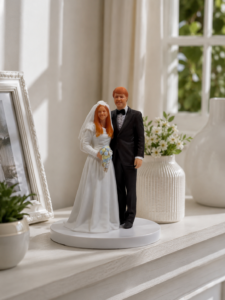
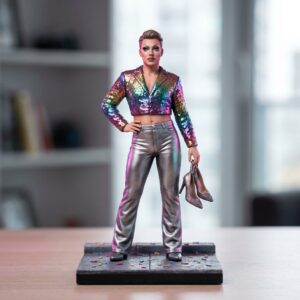
You can learn more about our custom creations through our Custom Figurines From Photo collection: the3dme.official
You can also explore additional examples on our homepage:
This is often the question families ask without saying it directly:
“Is this worthy of the person I love?”
Families are rarely comparing the cheapest option against the most expensive option.
They are asking whether the keepsake truly represents the person.
A meaningful personalized keepsake usually reflects:
That is why a 3D figurine for Alzheimer’s family can feel so powerful when it is built around the chapter of life that matters most.
And it is why memory keepsakes for dementia families should never feel generic.
They should feel personal.
They should feel intentional.
Most importantly, they should feel witnessed.
A dementia diagnosis makes families do something deeply human.
They fight to keep identity from disappearing. They preserve stories, photographs, voices, and the moments that define a person’s life.
That is why memory keepsakes for dementia families matter, and why a personalized keepsake can hold far more meaning than people expect.
A 3D figurine for Alzheimer’s family is one way to preserve that identity in a lasting, tangible form.
At The3DMe, we believe every figurine should capture more than appearance. It should reflect the story, role, and memories that make someone unforgettable.
Visit The3DMe
Follow us on Instagram
Because while dementia may affect memory, it can never erase a life that mattered.